Why This Site Exists
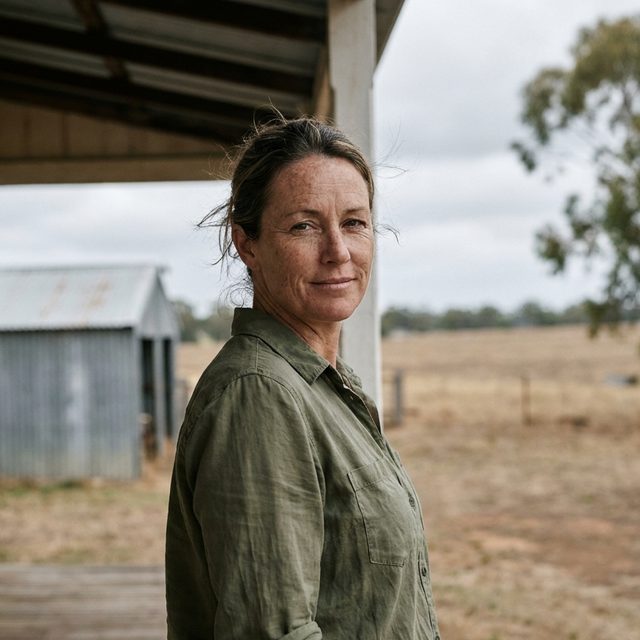
The second time the road went under, I counted what was in the house.
We live in the Riverina, just outside Wagga Wagga, where a wet week can close the road into town for two or three days. That is not a disaster. Nobody is in danger. But standing in the pantry doing the arithmetic, I worked out we had roughly two days of food that did not need a fridge, one torch with flat batteries, and no idea what was actually in the first aid kit.
The grocery bill was going the same direction at the same time. Produce up around 30% in two years, in a region that grows food. The kind of increase that does not reverse.
"I am not interested in bunker mentality. I wanted plain answers to a specific question: what does an ordinary Australian household actually need in the cupboard, and what is being sold to us that we do not need?"
So I started reading, and hit the same wall every time. Nearly all preparedness content is American. It assumes American shops, American weather and American disasters. It tells you to stock up at Costco and prepare for tornadoes and blizzards. None of that maps onto a household in regional New South Wales dealing with storm blackouts, a road under water, and a Woolworths forty minutes away.
PreparedFamilyGuide.com started as a way to document what the specifications, the manufacturers and the owners actually say, with honest assessments for people in similar situations — in Australia, in the UK, and in Canada, where many of the same conditions apply.
How I Research Each Guide
Every guide on this site is analysed the same way: manufacturer documentation and specifications, published build instructions, and aggregated user reports and build logs from buyers of the actual product, not summarised secondhand from other review sites. Here's what's under the microscope right now:
⚡
The Ultimate Energizer
DIY electricity generator · Analysed for the Australian market · AUD $120–180 in parts per manufacturer build list
8.1/10
💧
Joseph's Well
Atmospheric water generator · Analysed for the UK market · ~£118 in parts per manufacturer build list
8.0/10
🌱
Pocket Farm
Aquaponics system · Analysed for the Canadian market · Based on manufacturer documentation and user build reports
8.2/10
The reviews for Joseph's Well (UK market) and Pocket Farm (Canada market) are written from an Australian reviewer's perspective, with specific research and user data relevant to each market. I'm transparent about this in each review.
My Background
Pre-2024
Life in the Riverina
Two teenagers, school administration work, and twenty years of living somewhere the road occasionally closes. Not an electrician, not an engineer, not a nutritionist, not a survival professional. Someone who reads the fine print because nobody else in the house will.
2024
Cut off twice, and a stocktake
Two road closures in eighteen months, the second one three days long, and a pantry that held about two days of food that did not need refrigerating. That is the whole origin story. No survivalist awakening, just arithmetic that came out badly.
2025
Started writing it down
Months of reading, mostly American and mostly useless for a household here. PreparedFamilyGuide.com started as somewhere to put the Australian version: what the specifications actually say, what owners actually report, and what it costs in dollars you can spend at a shop you can reach.
2026
Covering what households actually ask about
Emergency food storage, blackout preparedness and water supply, written for Australian conditions and Australian prices. New products get covered when readers ask about them, and get left alone when the evidence behind them is thin.
How I Review
My review process is straightforward and consistent:
- ✓
I never accept free product or review copies — no brand on this site has sent me anything, and none has been given the chance to shape what appears here.
- ✓
I don't build it and I don't bench-test it — and I would rather say so than pretend otherwise. What I do is read the manufacturer documentation, the published specifications and the reports of people who did buy it, then compare them against each other and flag where they disagree.
- ✓
I challenge the sales claims — when the marketing promises 80% off an electricity bill and the specification supports something closer to 15–20%, that gap goes in the review. The commission doesn't move the score.
- ✓
I give real costs in local currency — every review converts to AUD, GBP, or CAD and accounts for local parts availability.
- ✓
I disclose everything — affiliate relationships, and the limits of a review written from documentation rather than from a workbench. See the
Affiliate Disclosure for full details.
What I'm Not
I'm not a qualified electrician, plumber, engineer, or survival professional. I'm not affiliated with any of the products I review beyond the standard affiliate commission. I'm not paid to recommend specific products, and no advertiser has placement on this site.
The content on this site is for informational purposes only. Always consult qualified professionals for electrical or construction work. Results from any DIY system will vary based on your skill level, local conditions, and how well you maintain it.
Have a question for me?
Ask me about any of the guides, how they perform in your specific situation, or what I'd recommend for your household setup.
Send a Message →